Seller guide

Seller roadmap

Every step of selling a home in Arizona, from professional photos to closing day: who does what, and what to expect next.

19
Steps from listing photos to the keys
5
Phases, each with your part spelled out
3
People you will hear from along the way
Find where you are
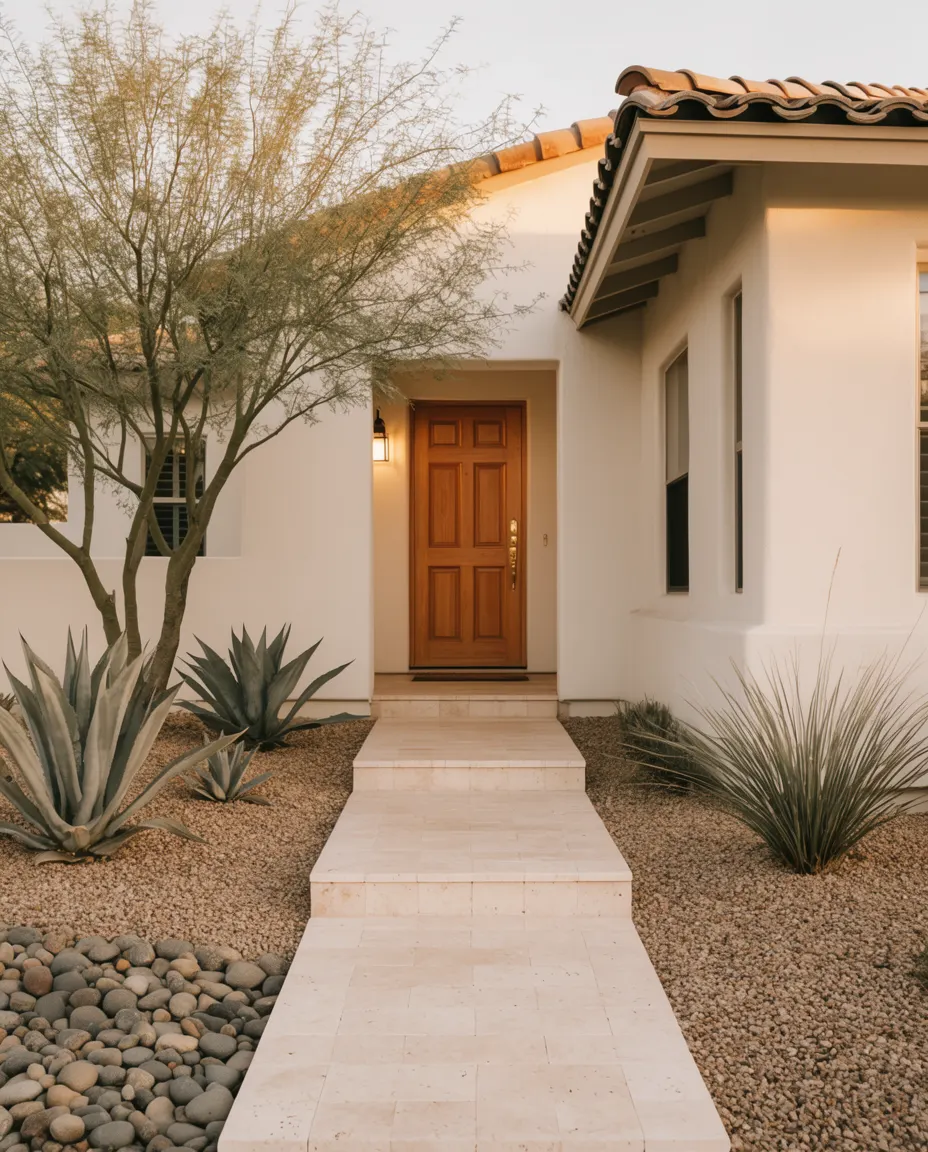
A travertine path leading to the front door of a white stucco Arizona home at golden hour.
Where you are

The roadmap

Tap “We’re here” on your current step. Everything before it is marked done, and you will see your part and what comes next.

0/19

A camera on a tripod set up in a bright, staged living room.
Phase 1 of 5 · Steps 1–3

On the market

Photos, going live, and the first weekend of traffic.

  1. Step 1: Professional photos

    Your agent Before the listing goes live

    What happens

    Buyers meet your home online first. Listings with professional photos get far more views and spend fewer days on the market, so this is the first impression that matters most.

    Your part

    Get the home photo-ready: lights on, blinds open, beds made, counters clear, personal photos and clutter put away, cars out of the driveway.

  2. Step 2: Go live on the market

    Your agent Day one

    What happens

    The listing goes live and showings start. The first 30 days bring the most buyer attention, which is why the price and the photos have to be right from the start.

    Your part

    Keep the home show-ready and easy to get into. Every showing you turn away is a buyer who may not come back.

  3. Step 3: Open house

    Your agent Usually the first weekend

    What happens

    An open house puts the home in front of buyers who are not yet working with an agent, and it gives your agent first-hand feedback on what buyers notice.

    Your part

    Plan to be out of the house for the whole open house, with pets taken along if you can.

A printed contract and a brass pen on a pale oak dining table.
Phase 2 of 5 · Steps 4–7

Offer to contract

Reviewing the offer, signing, and the first paperwork.

  1. Step 4: Get an offer and negotiate it

    You and your agent You usually have about 24 hours to respond

    What happens

    You can accept, counter or decline. Countering can go back and forth as many times as needed until both sides agree or one walks away. Price is only one term; your agent will walk you through the rest.

    Your part

    Review every term with your agent, not just the price, and answer before the response deadline.

    What an offer covers
    Price
    Weighed against comparable sales, the home and market conditions, and any competing offers.
    Earnest money
    Often about 1% of the price, sometimes more or less.
    Close of escrow
    About 30 days with a loan. Cash can close faster, on a date both sides agree.
    Financing
    Conventional, FHA, VA, seller carryback or cash. Each has trade-offs worth discussing.
    Seller concessions
    A dollar amount or percentage the buyer asks you to put toward their closing costs.
    Home warranty
    The buyer may ask you to buy one for them.
    Items included
    Such as the refrigerator or washer and dryer. Other furniture goes on a separate bill of sale.
    Inspection period
    Ten days by default, longer or shorter if negotiated.
    Added clauses
    Contingency, appraisal waiver or HOA addenda, including who pays HOA fees.
  2. Step 5: Under contract

    Everyone Once all terms are agreed

    What happens

    Both sides have signed and the home is officially under contract. From here the escrow officer, the buyer's lender and both agents work to a shared timeline.

    Your part

    Expect to hear from the escrow office. Each party may also have an assistant or processor who contacts you.

  3. Step 6: Buyer delivers earnest money to escrow

    Buyer Right after acceptance

    What happens

    The buyer's deposit goes to the escrow company. It shows they are invested and moving forward with the contract.

    Your part

    Nothing to do here. Your agent confirms the deposit has arrived.

  4. Step 7: Deliver disclosures to the buyer

    You Early in escrow

    What happens

    You give the buyer the Seller's Property Disclosure Statement (SPDS), covering everything you know about the property since you have owned it, and an insurance claim history letter from your insurer.

    Your part

    Fill in the SPDS honestly and completely, and request the claim history letter from your insurance company.

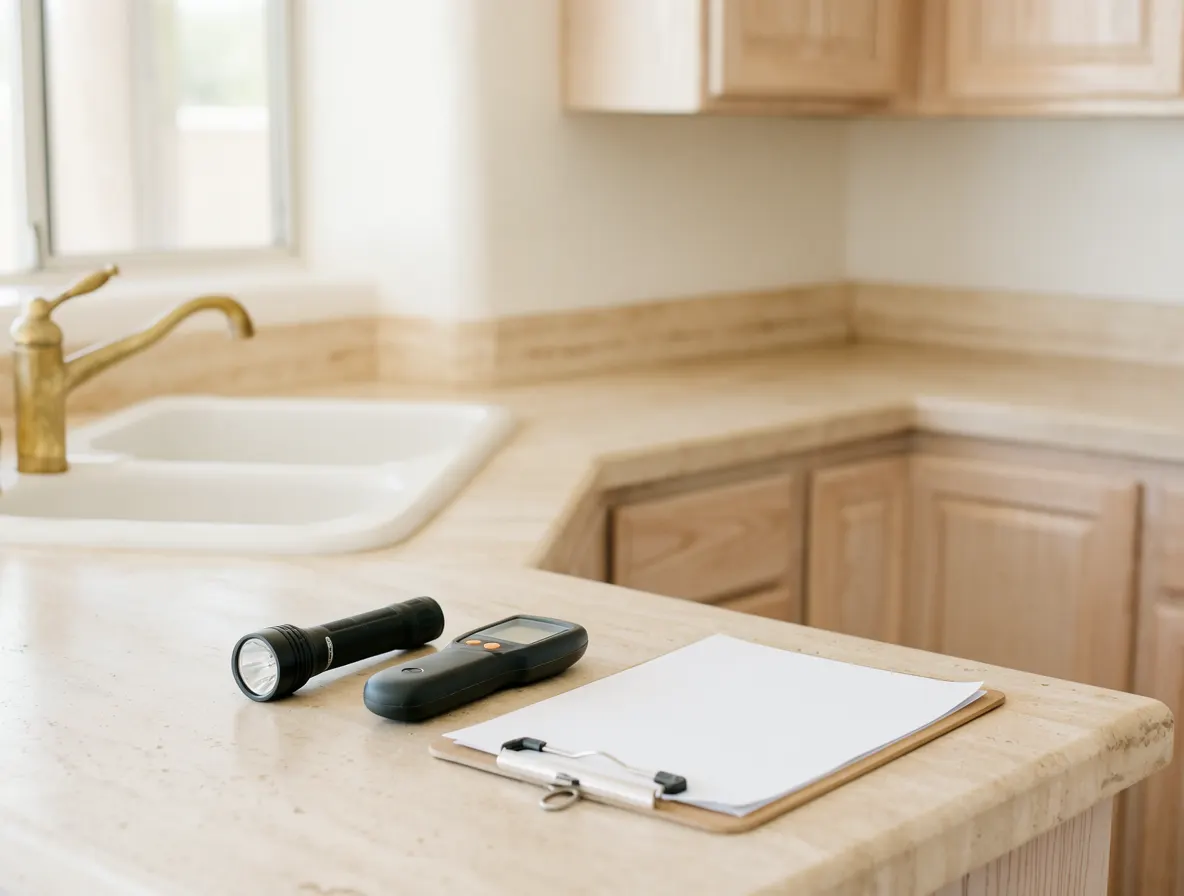
A home inspector's flashlight, moisture meter and clipboard on a kitchen counter.
Phase 3 of 5 · Steps 8–10

Inspection and repairs

The buyer inspects, asks for repairs, and you decide.

  1. Step 8: Buyer performs the home inspection

    Buyer Within the 10-day inspection period

    What happens

    Unless negotiated otherwise, the buyer has 10 days for any inspections they want: general home, termite, pool or spa, roof, AC, sewer scope, mold or radon. The agents coordinate the times with you.

    Your part

    Make the home as available as you can, and plan to be out during inspections.

  2. Step 9: Buyer requests any repairs

    Buyer Before the inspection period ends

    What happens

    After reviewing the reports, the buyer sends a repair request, known in Arizona as the BINSR. They may ask for a credit instead of repairs.

    Your part

    Read the request with your agent before deciding anything.

  3. Step 10: Negotiate repairs or credits

    You and your agent You have 5 days to respond

    What happens

    You can agree to all, some or none of the requests. If you do not agree to everything, the buyer chooses whether to move forward or cancel. Once they decide to move forward, the contract heads to appraisal.

    Your part

    Decide what you are willing to fix or credit, and line up any contractors early. Agreed repairs need to be done before the final walk-through.

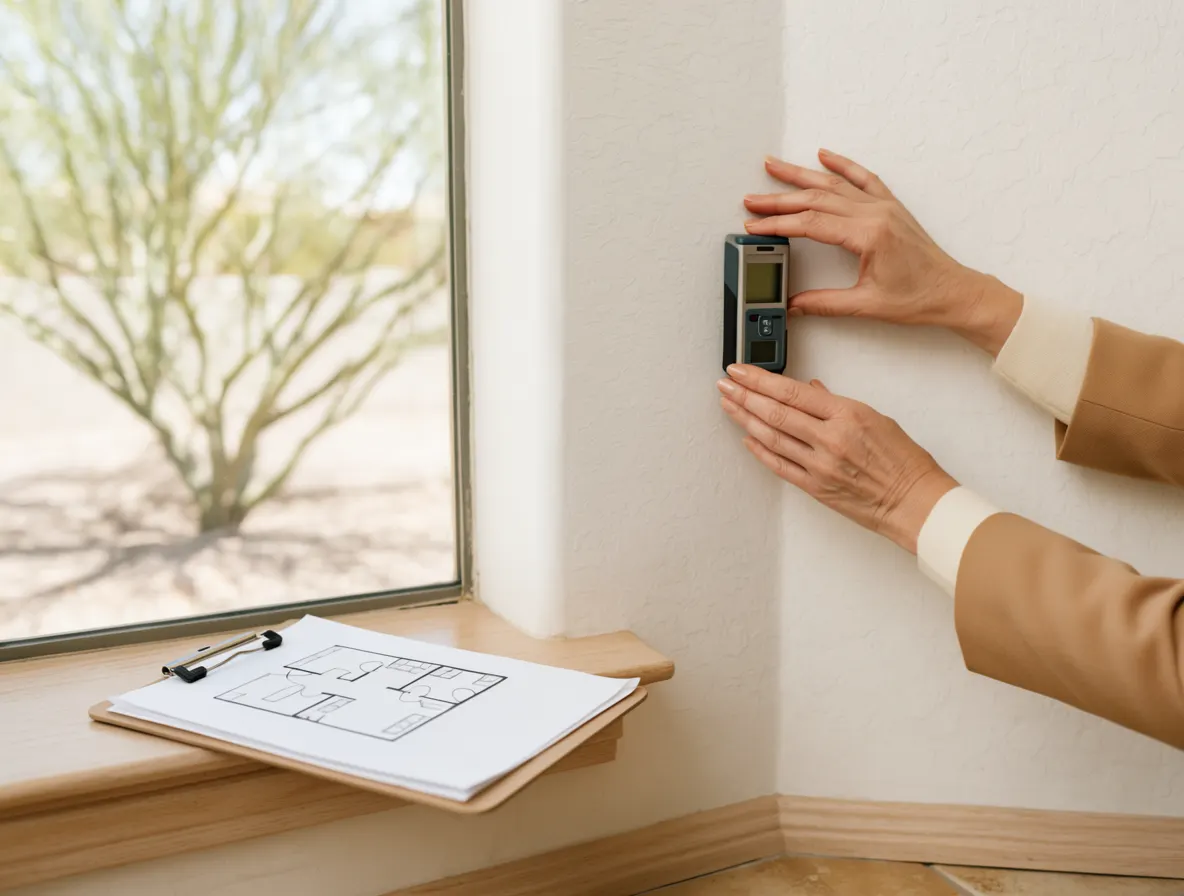
An appraiser measuring a room with a laser measure.
Phase 4 of 5 · Steps 11–15

Appraisal and loan

The lender confirms the value and approves the buyer.

  1. Step 11: Lender orders the appraisal

    Buyer's lender After the inspection period

    What happens

    The buyer pays for the appraisal. You will not talk with the buyer's lender directly; your agent tracks the loan and keeps you updated.

    Your part

    Nothing to do yet. The appraiser is usually scheduled within about a week of the order.

  2. Step 12: Appraisal performed

    Appraiser About a week after the order

    What happens

    The appraiser visits the home and compares it with recent sales nearby. Your agent can supply upgrades and comparable sales that support the price.

    Your part

    Have the home open and tidy, then give the appraiser room to work. Tell your agent about any upgrades worth pointing out.

  3. Step 13: Appraisal received

    Buyer's lender A few business days after the visit

    What happens

    The goal is a value at or above the agreed price. As the seller, you are usually only told the value, or shown the report, if it comes in low.

    Your part

    No news is usually good news at this step.

  4. Step 14: Negotiations, if needed

    You and your agent Only if the appraisal comes in low

    What happens

    A low appraisal sends everyone back to the table. The usual options: lower the price to the appraised value, have the buyer pay the difference in cash, split the difference, or cancel the contract.

    Your part

    Talk the options through with your agent before answering.

  5. Step 15: Final loan approval received

    Buyer's lender Toward the end of escrow

    What happens

    The lender finishes the buyer's loan approval. There is often a quiet stretch here while the file is underwritten.

    Your part

    Use the time to finish any repairs you agreed to and keep the receipts for the buyer.

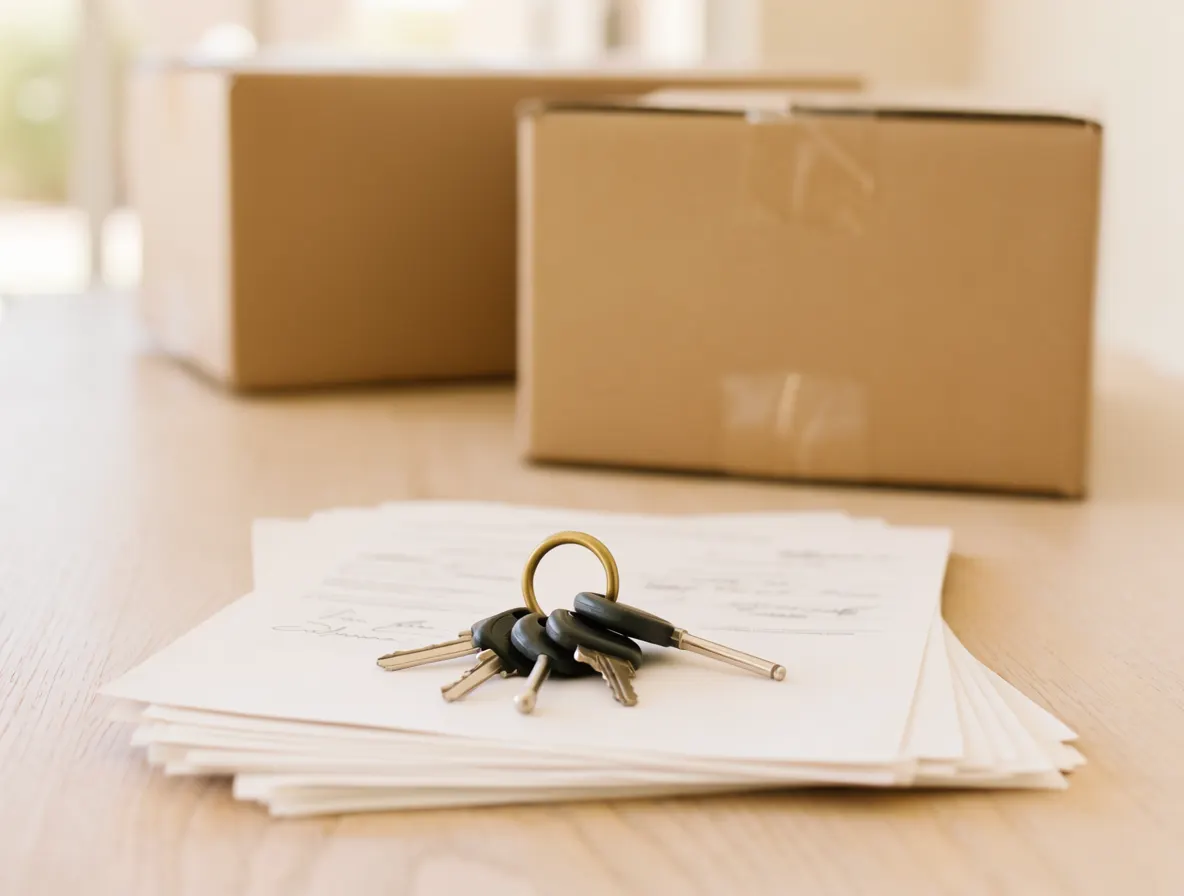
House keys on a stack of signed papers, with moving boxes behind.
Phase 5 of 5 · Steps 16–19

Closing

Utilities, signing, the walk-through and the keys.

  1. Step 16: Schedule utilities to shut off the day after closing

    You About two weeks before closing

    What happens

    Set every utility in your name to end the day after closing, not on closing day, so the buyer's final walk-through has power and water.

    Your part

    Call electric, water, gas, trash, internet and any other services, and change your mailing address with USPS.

  2. Step 17: Sign all documents at the escrow company

    You and the escrow officer Usually about a week before closing

    What happens

    You sign the sale documents. The escrow officer schedules the signing with you.

    Your part

    Bring a valid photo ID and be ready to confirm how you want your proceeds sent. Confirm any wiring instructions by phone with escrow, using a number you already know, never one from an email.

  3. Step 18: Buyer's final walk-through

    Buyer Within 24 to 48 hours of closing

    What happens

    The buyer takes about 30 minutes to confirm the home is in the same or better condition as when they made the offer, and that any agreed repairs are done.

    Your part

    Leave the home clean and empty, with manuals, warranties, spare keys and repair receipts left out for the buyer.

  4. Step 19: Closing day

    Everyone The day the sale records

    What happens

    Once the sale records with the county, your agent calls to tell you the home has officially closed. Congratulations.

    Your part

    Be moved out the day before closing, so nothing is left for the last morning.

Your place on the roadmap stays in this browser. Nothing is sent to us, and there is nothing to sign in to.

Your team

Who you will hear from

Each of them may also have an assistant or processor who contacts you.

  • Your agent

    Represents you through the sale: gets the home ready, coordinates showings, negotiates the contract and keeps every deadline on track.

  • Escrow officer

    A neutral third party who follows the contract, collects and pays out the money, and orders the title commitment, HOA demand and any solar transfer filing.

  • Buyer's lender

    You will not deal with them directly, but the buyer's loan approval drives much of the timeline. Your agent tracks it for you.

Before closing day

Moving checklist

  • Book movers or get quotes, and schedule days off work
  • Look into new schools if you are changing districts
  • Donate what you no longer want and start packing early
  • Change your address with USPS
  • Collect boxes, tape, bubble wrap and markers, or let the movers bring them
  • Leave appliance manuals, warranties and spare keys in the house
  • Clean the house before the buyer's final walk-through
Download the printable roadmap

Seller Roadmap — where we are

The steps

    Power House Operations · powerhouseoperations.com

    Next step

    Selling, or guiding a seller through it?


    Our transaction coordinators keep every one of these deadlines on track. Request a call and our team will call you within 24 hours. It’s free, with no obligation.