Buyer guide

Buyer roadmap

Every step of buying a home in Arizona, from pre-qualification to your keys: what to have ready, what it costs, and what comes next.

23
Steps from the lender call to the keys
8
Costs to plan for, with a planner
10
Things to hold off on until closing
Find where you are
A wooden front door standing open on a sunlit white stucco Arizona home, a potted agave at the step.
Where you are

The roadmap

Tap “We’re here” on your current step. Everything before it is marked done, and you will see your part and what comes next. The planner, wish list and scorecard sit inside the phase where you need them.

Tools: Cost planner Wish list Home scorecard

0/23

A calculator, a closed folder and a cup of coffee on a pale oak desk by a window.
Phase 1 of 5 · Steps 1–3

Get ready to buy

Know your number before you fall for a house.

  1. Step 1: Talk to a lender and get pre-qualified

    You and your lender Before you start touring

    What happens

    A lender works out the purchase price that fits a monthly payment you are comfortable with, which loan suits you, and how much you will put down. Your agent works closely with the lender and can refer you to lenders past clients were happy with.

    Your part

    Pick a lender and start the conversation. Ask what price range you qualify for and which loan types fit you.

  2. Step 2: Gather your financial picture

    You Same week as the lender call

    What happens

    The lender will look at your income and the write-offs you claim, your down payment, your credit health, your employment and the loans you may qualify for. Having these ready keeps the pre-qualification quick.

    Your part

    Pull together recent pay stubs, tax returns, bank statements and a list of your debts, and check your credit.

  3. Step 3: Plan for the costs

    You Before you make an offer

    What happens

    Some costs are due long before closing day, such as the earnest money, inspections and the appraisal, and they are not refundable if you do not close. Use the cost planner below to see them in one place.

    Your part

    Set aside the money due early, and keep your down payment and closing funds untouched until closing.

Cost planner

What to have ready, and when

Enter a price to see the ranges from the guide. Your lender gives you the exact numbers; this is for planning.

Due before closing Not refunded if you do not close

Earnest money (about 1%)–
Inspections$450–$1,200
Appraisal$500–$800

Due at closing Your earnest money is credited here

Down payment–
Closing costs (2–3%)–
Total cash to plan for–

Plus utility deposits ($0–$500) and moving.

What each cost is
Earnest money
About 1% of the price. Due when the offer is accepted, held by escrow and applied at closing.
Inspections
About $450 to $1,200, depending on size and which inspections you choose. Paid at the inspection; not refunded if you do not close.
Appraisal
About $500 to $800. Paid when ordered; not refunded if you do not close.
Down payment
Depends on the loan type and terms. Your loan officer sets this with you.
Closing costs
About 2% to 3% of the price: lender fees, title and escrow fees, HOA, home warranty, taxes. Rate buy-downs and seller contributions move it up or down.
Agent compensation
Often about 3% of the price. A buyer cost, but sellers commonly pay all or part of it as part of the offer.
Utility deposits
$0 to $500, depending on the provider.
Moving
Varies. If you hire movers, get several quotes well ahead of closing.
Until you have the keys

Ten things that can cost you the loan

Any of these can change what you qualify for, even the week before closing. If one cannot wait, call your loan officer first.

  • Change jobs
  • Apply for any new loan or line of credit
  • Buy a car, truck or other vehicle
  • Co-sign a loan for anyone
  • Run up your credit card balances
  • Miss a payment on any loan or credit line
  • Change bank accounts
  • Make large deposits without checking with your loan officer
  • Spend the down payment or closing money you set aside
  • Fall behind on taxes or a tax payment plan
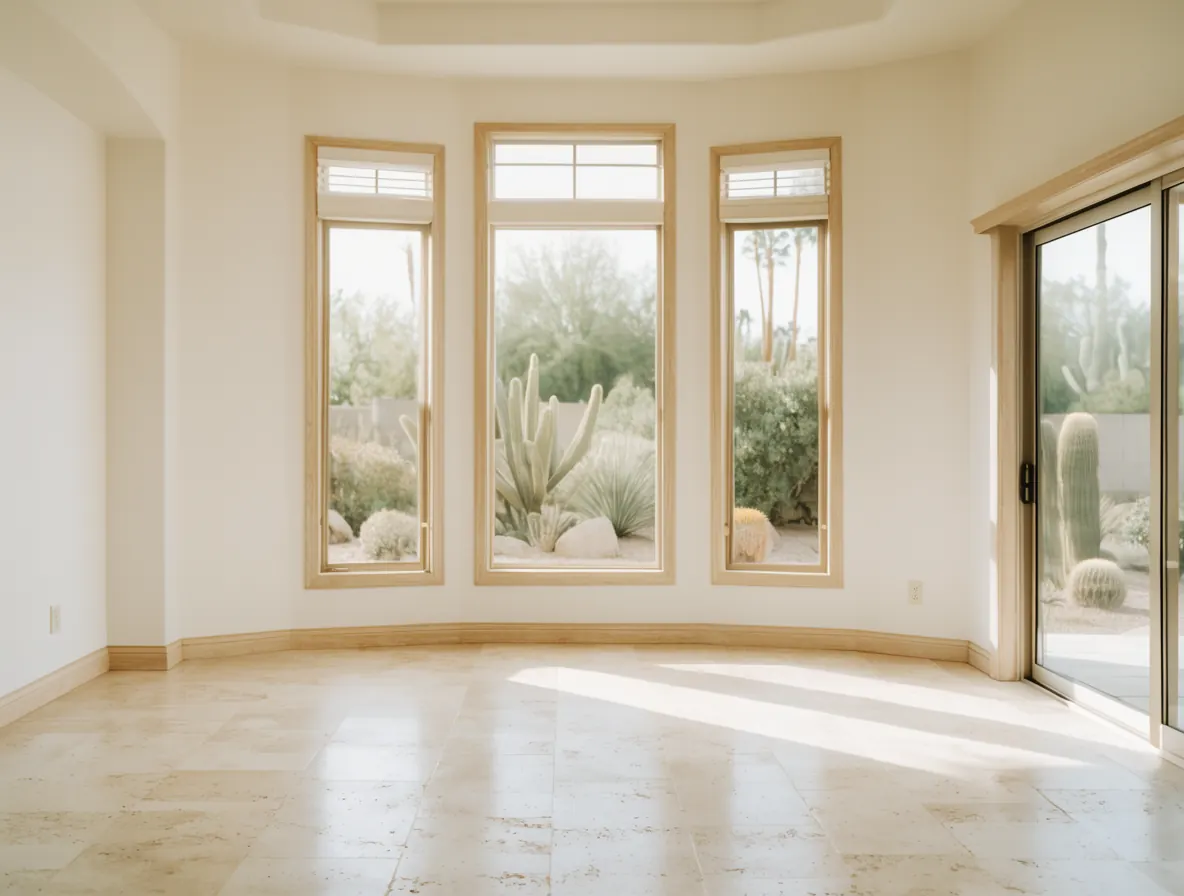
An empty, sunlit living room with tall windows onto a desert garden.
Phase 2 of 5 · Steps 4–6

Find the home

Decide what matters, then let your agent bring you the right homes.

  1. Step 4: Make your wish list

    You Before the search starts

    What happens

    Decide what the home must have and what would be nice: bedrooms, bathrooms, size, yard, garage, and the kind of neighborhood, schools, commute and shopping you want. A clear list keeps you from losing a good home to a long debate.

    Your part

    Sort the features in the wish list below into needs and wants, and share it with your agent.

  2. Step 5: Search with your agent

    Your agent Once you are pre-qualified

    What happens

    Your agent sets up a search and sends you every home that meets your criteria. Questions and showing requests are never a bother. Your agent will also give you the Buyer Advisory, a document that helps you do your due diligence on a home.

    Your part

    Tell your agent about any home you find on your own, and use the rules below for open houses, new builds and home search sites.

  3. Step 6: Tour homes and score each one

    You and your agent As homes come up

    What happens

    Your agent gets you in the door and, from seeing dozens of homes a week, can point out problems you might miss. Scoring each home on the same ten points makes it easier to compare them later.

    Your part

    Use the home scorecard below at every showing, while the home is still fresh in your mind.

Wish list

Sort what you need from what you want

Tap a feature once for Need, twice for Want, a third time to clear it. Share the result with your agent.

Inside

Outside

Area

Where homes come from

Four places you will see homes, and the rule for each

  • Home search with your agent

    The MLS feed your agent sets up sends you every home that matches, including ones the big sites show late.

  • Open houses

    Tell the host you have an agent and give their name. Do not discuss price or terms: the host represents the seller. Call your agent right after if you like the home.

  • New-build communities

    The on-site agent works for the builder. Bring your agent or give their name at the door. It costs you nothing more to be represented.

  • Zillow, Redfin and other sites

    “More information” requests go to agents who paid the site for leads, not the listing agent. Send the link to your agent instead.

Home scorecard

Score every home on the same 12 points

Fill it in before you leave the driveway. Saved homes line up below, best score first.

Location
Inside
Outside
0/12

    Two coffee cups and an open folder of papers with a pen on a patio table, desert garden behind.
    Phase 3 of 5 · Steps 7–9

    Make an offer

    Price is one term of many. Your agent negotiates all of them.

    1. Step 7: Decide your offer terms

      You and your agent When you find the one

      What happens

      Your agent looks at comparable sales, the home's condition, the market and any competing offers to help you set a price. You also choose the closing date, loan type, earnest money, home warranty, HOA terms and which items stay with the home.

      Your part

      Go through every term with your agent, not just the price, and confirm your loan details with your lender.

      What an offer covers
      Price
      Based on comparable sales, the home and market conditions, and any competing offers.
      Earnest money
      About 1% of the price as a rule of thumb, sometimes more or less.
      Close of escrow
      About 30 days with a loan. Cash can close sooner, on a date that suits the seller.
      Financing
      Conventional, FHA, VA, seller carryback or cash. Your lender helps you choose, based on credit score, rates and debt-to-income ratio.
      Seller concessions
      A dollar amount or percentage you ask the seller to put toward your closing costs.
      Home warranty
      Whether you want one, who pays for it, and for how much.
      Items included
      Such as the refrigerator or washer and dryer. Other furniture goes on a separate bill of sale if you have a loan.
      Inspection period
      Ten days by default, longer or shorter if negotiated.
      Added clauses
      Contingency, appraisal waiver or HOA addenda, including who pays any HOA fees.
      Agent compensation
      You can ask the seller to pay your agent's fee to lower your out-of-pocket cost. It is common, and it is part of the negotiation.

    2. Step 8: The seller responds

      The seller Usually within about 24 hours

      What happens

      The seller can accept, decline, or counter with different terms. If they counter, you can accept it, decline it, or counter back, as many times as it takes until both sides agree or one walks away.

      Your part

      Keep your phone close. Talk each counter through with your agent before you answer.

    3. Step 9: Under contract

      Everyone Once all terms are agreed

      What happens

      Everyone has signed and the home is officially yours to buy. From here your agent, the escrow officer and your lender work to one shared timeline. Friends will offer advice; take it carefully, because practices differ from place to place.

      Your part

      Bring any question to your agent first. Each party may also have an assistant or processor who contacts you.

    How an offer moves

    From offer to under contract

    1. 1Offer submitted Price, closing date, loan type, earnest money, warranty, HOA, included items.
    2. 2Seller responds Usually within about 24 hours: accept, counter or decline.
    3. 3Counter, repeat You accept, decline or counter back, as many rounds as it takes.
    4. ✓Under contract Every term agreed by both sides. Congratulations.
    Your team

    Who you will hear from

    • Your agent

      Represents you: shows you homes, negotiates the contract, advises on your options and keeps every deadline in view.

    • Escrow officer

      A neutral third party who follows the contract, collects and pays out the money, orders the title commitment and HOA demand, and arranges title insurance.

    • Lender

      Lends the money if you are not paying cash, checks you meet the loan guidelines, and works with your agent to get you to closing.

    Each of them may also have an assistant or processor who contacts you.

    A step ladder with a clipboard leaning on a stucco wall beside an air conditioning unit.
    Phase 4 of 5 · Steps 10–19

    Inspections, appraisal and loan

    The busiest stretch: deadlines run in days, so answer quickly.

    1. Step 10: Deposit your earnest money

      You Right after acceptance

      What happens

      Your earnest money goes to the title company by check or wire. It is held by escrow and applied to your down payment or closing costs.

      Your part

      Send the deposit promptly. Confirm wiring instructions by phone with the title company before you send any money.

    2. Step 11: Schedule and do the home inspection

      You, your agent and the inspector Within the 10-day inspection period

      What happens

      Inspections can include the general home, termites, pool or spa, roof, AC, sewer scope, mold and radon. Your agent coordinates them and can recommend inspectors. Every home has issues, even new builds; the big ones tend to be structural, the roof or the HVAC. Inspections run about $450 to $1,200 and are paid outside closing.

      Your part

      Attend the 30-minute wrap-up with the inspector if you can, and read the report before the repair request is due.

    3. Step 12: Review the seller's disclosures and claims history

      You During the inspection period

      What happens

      The Seller's Property Disclosure Statement (SPDS) lists everything the seller knows about the home. The insurance claim history letter shows any claims made while the seller owned and insured it.

      Your part

      Read both documents fully and flag anything that worries you to your agent.

    4. Step 13: Request repairs (the BINSR)

      You and your agent Before the inspection period ends

      What happens

      On the Buyer's Inspection Notice and Seller's Response (BINSR) you ask for the repairs that matter to you. In a strong seller's market concessions are harder to get, but an issue any inspector would flag still gives you leverage.

      Your part

      Focus on the major items, not every minor note. Ask your agent whether a credit at closing would serve you better than repairs.

    5. Step 14: Review the Buyer Advisory

      You During the inspection period

      What happens

      The Buyer Advisory from the Arizona Association of REALTORS® and the Arizona Department of Real Estate links to the resources you need to investigate or verify information about the home.

      Your part

      Work through the links that apply to your home, such as flood zone, crime and school information.

    6. Step 15: Get the seller's answer on repairs

      The seller Usually within 5 days

      What happens

      The seller can agree to fix all, some or none of the items. If they do not agree to all of them, you decide whether to move forward or cancel.

      Your part

      Decide with your agent whether the answer works for you, within the deadline.

    7. Step 16: Lender orders the appraisal

      Your lender Once repairs are agreed

      What happens

      With repairs settled, the lender orders the appraisal. It costs about $500 to $800, is paid outside escrow, and the lender will call you for payment.

      Your part

      Pay the appraisal fee when the lender calls so the order is not held up.

    8. Step 17: Appraisal done and received

      The appraiser About 7 to 10 business days

      What happens

      The appraiser visits the home, and your agent can provide comparable sales if needed. With a loan, the sale cannot move forward until the appraisal is in, unless the lender waives it.

      Your part

      Keep your loan paperwork current while you wait.

    9. Step 18: Negotiate if the appraisal comes in low

      You and your agent Only if needed

      What happens

      If the appraisal meets or beats the price, you are buying with equity. If it comes in low, you are back at the negotiating table.

      Your part

      Choose one of the four options below with your agent.

      1. Ask the seller to lower the price to the appraised value
      2. Pay the difference in cash
      3. Split the difference with the seller
      4. Cancel the contract
    10. Step 19: Loan approval

      Your lender After the appraisal

      What happens

      The lender submits your loan for final approval and may ask for more documents along the way.

      Your part

      Send anything the lender asks for the same day. Delays here can move your closing date.

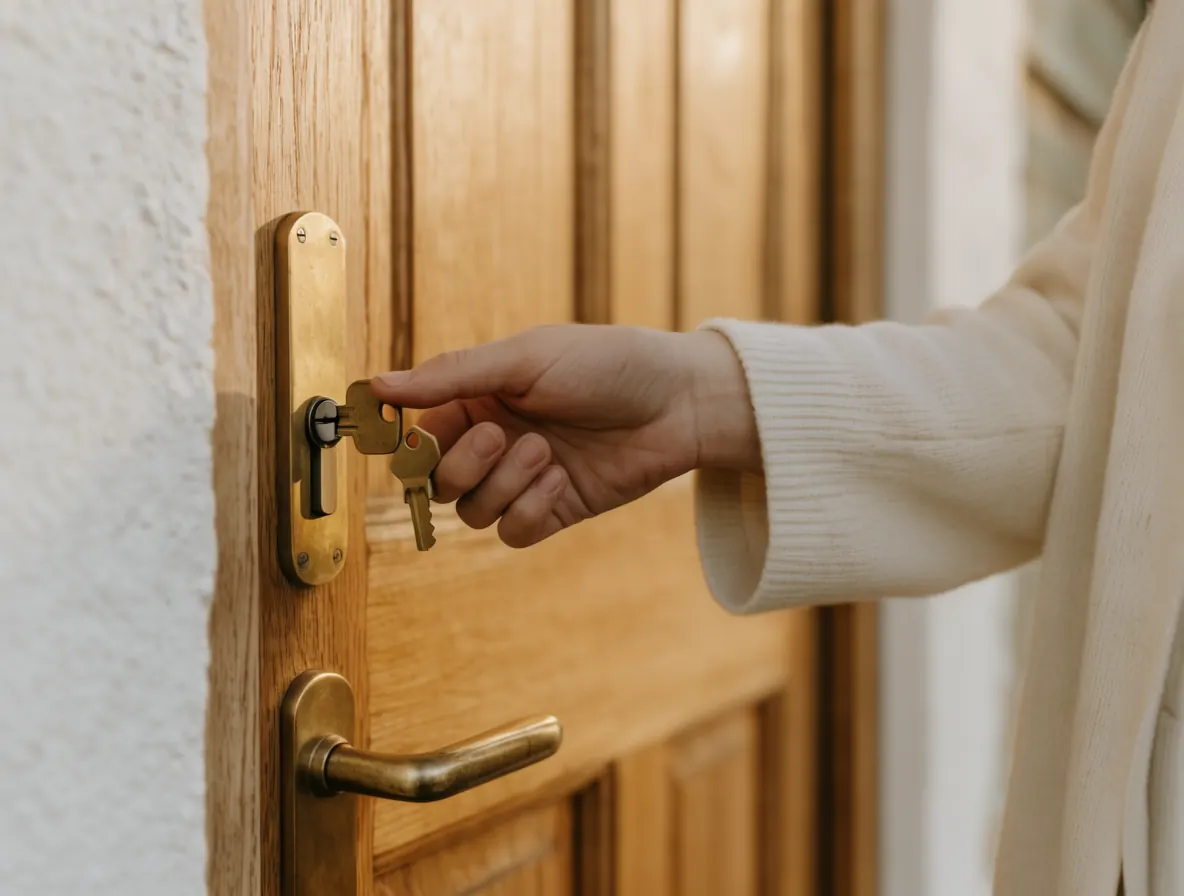
    A hand turning a brass key in the lock of a wooden front door.
    Phase 5 of 5 · Steps 20–23

    Closing

    Signing, the final walk-through and the keys.

    1. Step 20: Set up utilities and mail

      You The week before closing

      What happens

      Utilities are not part of the contract, and some providers ask for a deposit of $0 to $500.

      Your part

      Put every utility in your name starting on closing day, and change your mailing address with USPS.

    2. Step 21: Sign your documents

      You and the escrow officer Ideally 3 days before closing

      What happens

      Once the loan is approved, the lender reconciles the numbers with the escrow officer. You sign the lender's documents and pay the funds due. This is not the closing itself; you do not get keys yet.

      Your part

      Bring your ID, and send your funds exactly as escrow instructs after confirming by phone.

    3. Step 22: Final walk-through

      You and your agent 24 to 48 hours before closing

      What happens

      A 30-minute walk of the home to check that agreed repairs are done and that the home is in the same condition, or better, as when you made the offer.

      Your part

      Test the appliances, taps and AC, and check every repair item on the BINSR.

    4. Step 23: Closing day and your keys

      Everyone Closing day, 8 AM to 5 PM

      What happens

      Escrow sends the sale for recording, and once the county records it the home is officially yours. Recording can happen any time during the business day, depending on your purchase.

      Your part

      Wait for the call that the sale has recorded, then meet your agent at the home for the keys.

    After the keys

    Your agent is still a resource after closing, with a network of movers, landscapers, cleaners, contractors, insurance agents and financial planners across the Valley.

    Your place on the roadmap, wish list and saved homes stay in this browser. Nothing is sent to us, and there is nothing to sign in to.

    Buyer Roadmap — where we are

    The steps

      Wish list

        Homes we scored

          Power House Operations · powerhouseoperations.com

          Next step

          Buying, or guiding a buyer through it?


          Our transaction coordinators keep every one of these deadlines on track. Request a call and our team will call you within 24 hours. It’s free, with no obligation.